
Nervous About the Dentist? How to Pick a Dentist in Vashi Who Takes It Slow
By Dr. Dishani Chordia, BDS ·
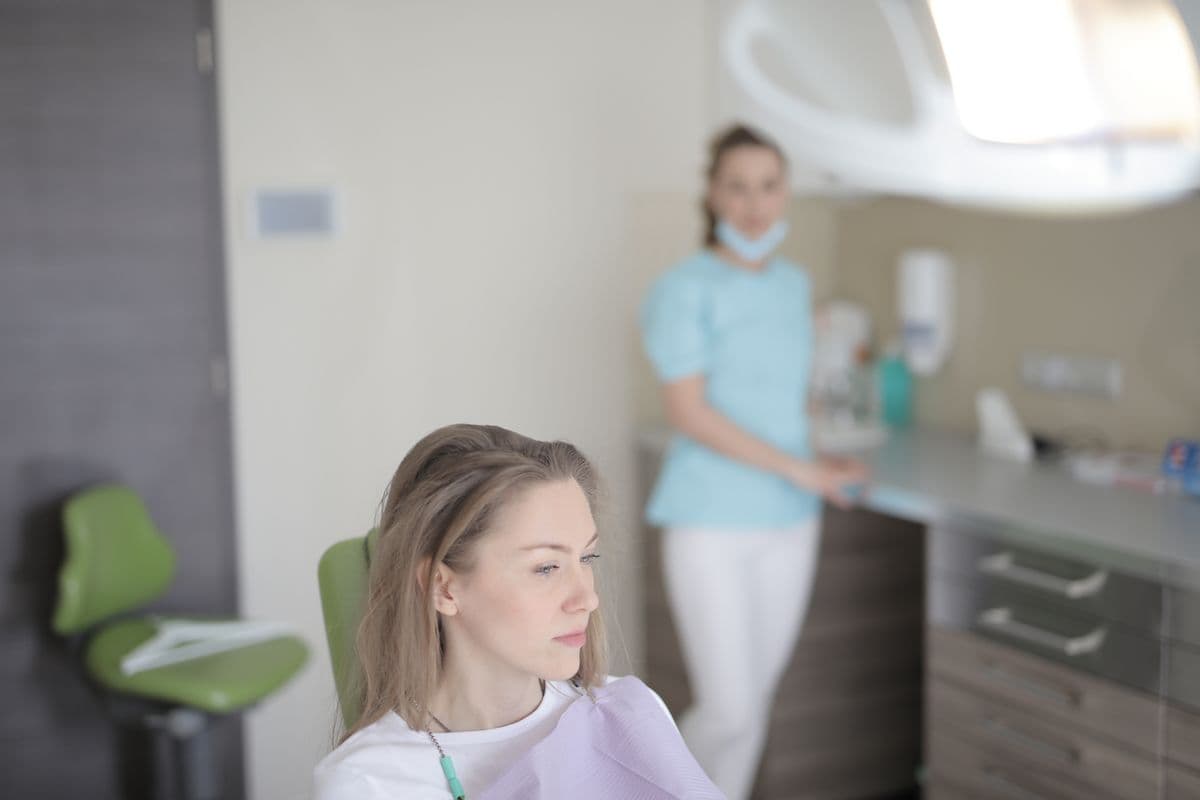
You booked the appointment two weeks ago. Now it's tomorrow, and you're checking whether you can move it. If that's you, you're in good company. At Biolume Dental Care in Sector 19D, Vashi, a lot of adults walk in nervous. Dental anxiety in Vashi is common, it's not a character flaw, and the right dentist makes it much smaller.
Why Being Nervous About the Dentist Is So Common
Most dental fear comes from a few specific things. The sound of the drill. The feeling of being flat on your back, unable to talk. An old experience, usually from childhood, where something hurt or nobody explained what was happening.
Notice that none of these are really about teeth. They're about control. You can't see what's going on, you can't speak, and you don't know what comes next.
That's useful, because control is something a good dentist can hand back to you. The NHS inform guide to coping with a fear of the dentist says the same thing: tell your dentist how you feel, and work out the visit together.
What to Ask Before You Book a Gentle Dentist in Vashi
You can learn a lot from one phone call or message, before you ever sit in the chair. Here are the questions worth asking any clinic, ours included:
- Can my first visit be just a conversation and a look, with no treatment?
- Will you explain what you're about to do before you do it?
- Can we agree a signal so I can stop you at any point?
- Can I see what you're seeing, on a screen or in a mirror?
- Is there enough time booked that nobody will rush me?
The answers matter, but so does the tone. If the person on the other end sounds relaxed and gives you a straight answer, that's a good sign. If you get a sales pitch, that's not.
What a Calm First Visit Looks Like
At Biolume, Dr. Dishani Chordia, BDS, starts every first visit by talking. You tell her what worries you, what you've had done before, and what you'd like to avoid. Nothing starts until you've said yes.
Then comes the look. We use an intraoral camera and digital X-rays, so you see what we see. Many people find that the unknown is scarier than the actual problem, and being shown a clear picture takes some of the fear away.
After that, you get a plan in plain words. What needs doing, what can wait, and roughly how long it will take. You decide what happens next. Plenty of people leave the first visit having done nothing but talk and get checked, and that's a perfectly good start.
Small things that help on the day
- Book a time when you're not rushing from work. A calm morning beats a stressed evening.
- Eat something first. An empty stomach makes nerves feel worse.
- Slow your breathing: in for four, out for six. It sounds too simple, and it works.
- Tell the dentist you're nervous. Most people hide it, and it just makes the visit harder.
Does Laser Dentistry Help With Dental Fear?
For some treatments, yes, and it's worth knowing why. Laser treatment can mean less bleeding and faster healing, often without stitches, for suitable cases. For a nervous patient, a shorter, cleaner procedure can feel less daunting.
It won't take the fear away by itself, and it doesn't suit every problem. Many treatments still use conventional instruments. Our laser dentistry page is straight about where a laser helps and where it doesn't, so you can ask about it at your first visit.
When Fear Is Fine to Wait on, and When It Isn't
Here's the honest part. If you have no pain, nothing looks wrong, and you had a check-up in the last year, you don't need to rush in. Waiting a few weeks until you feel ready is fine.
But some things shouldn't wait for courage. Swelling in the face or gums, pain that keeps you awake, a tooth that's cracked or loose, or a bad taste that won't go. Fear makes small problems bigger, because a small filling is a much easier visit than a root canal. If any of these sound familiar, call and tell us you're nervous. We'd rather see you early.
If it's been years since your last visit, nobody at the clinic will lecture you. It's a common story, and the useful part is where you go from here. Our contact page has the address, hours and a booking form, so you can write to us first if talking feels like too much.
You can also read what an American Dental Association page on dental anxiety suggests. Its advice matches ours: ask questions, agree a stop signal, and never feel embarrassed about being scared.
Looking at a gum or smile concern but not sure it's worth a visit? Our guide on dark gums treatment in Vashi shows how we explain a decision honestly, including the cases where we say you don't need treatment.
Frequently asked questions
Is it normal to be scared of the dentist?
Yes. Dental anxiety is very common among adults, and it usually comes from a past bad experience, the sound of the drill, or not knowing what to expect. Telling your dentist you're nervous is the most useful first step.
How do I find a gentle dentist in Vashi?
Ask before you book. Check whether the clinic will let a first visit be a conversation only, whether they explain each step, and whether you can agree a stop signal. A calm, direct answer on the phone is a good sign.
Can I just talk to the dentist at my first visit?
Yes. At Biolume Dental Care, a first visit can be a conversation and a gentle check, with no treatment started until you're ready. You decide what happens next.
Is a dental check-up painful?
A routine check-up is a look and a gentle examination, and most people feel pressure at most. If something needs treatment, it's discussed first, and numbing is used where it's needed.
How can I calm down before a dental appointment?
Slow your breathing, eat beforehand, and pick a time when you're not rushed. Tell the dentist you're nervous and agree a signal to pause. These small steps make a bigger difference than most people expect.
What if I haven't been to a dentist in years?
Come as you are. There's no lecture. A first visit after a long gap is mostly a check and a plan, so you know what needs attention and what can wait. The earlier you come, the simpler the treatment usually is.